
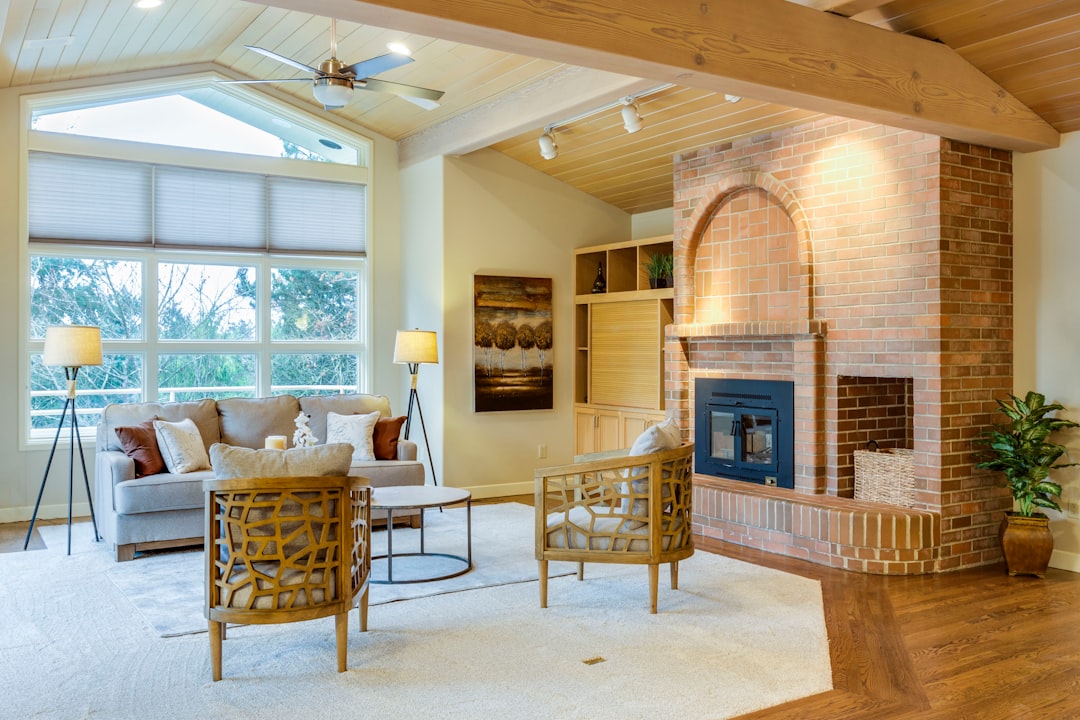
Essential Home Staging Strategies Every Seller Should Know
Home staging is a crucial element in the real estate market that can significantly influence the sale of a property. Many sellers underestimate its importance, believing that a clean home is sufficient for attracting buyers. However, effective home staging goes beyond mere cleanliness; it involves creating an inviting atmosphere that allows potential buyers to envision themselves living in the space. This article will explore essential home staging strategies that every seller should know to maximize their property’s appeal and value.
Myth: Home Staging is Only for Luxury Properties
One common misconception is that home staging is only necessary for high-end or luxury properties. Many sellers believe that their average homes do not require staging, thinking that buyers will overlook minor imperfections. However, the truth is that all homes can benefit from staging, regardless of their price point. Staging helps highlight the best features of a home and can make even modest properties stand out in a competitive market.
By investing in home staging, sellers can create a more appealing environment that attracts a wider range of buyers. This approach not only enhances the visual appeal of the home but also helps to create an emotional connection with potential buyers. When buyers can envision themselves in a beautifully staged home, they are more likely to make an offer, often at a higher price.
Truth: Staging Helps Sell Homes Faster
Another myth is that staging is an unnecessary expense that does not yield a return on investment. Many sellers fear that the costs associated with staging will outweigh the benefits. However, the truth is that staged homes often sell faster than non-staged homes. According to various studies, homes that are staged can sell up to 73% faster than their unstaged counterparts.
This rapid sale can be attributed to the enhanced first impressions that staged homes create. Buyers are more likely to be drawn to a property that looks inviting and well-maintained. Additionally, a quicker sale means less time on the market, reducing carrying costs for the seller, such as mortgage payments and utilities.
Effective Strategies for Homeowners
For homeowners looking to stage their properties, there are several effective strategies to consider. First, decluttering is essential. Removing personal items, excess furniture, and unnecessary decorations can help create a more spacious and inviting atmosphere. A decluttered home allows potential buyers to visualize their own belongings in the space, making it feel more like their future home.
Another effective strategy is to focus on neutralizing the color palette. While bold colors may reflect personal style, they can deter potential buyers who may not share the same taste. Painting walls in neutral tones can create a blank canvas that appeals to a broader audience. Additionally, incorporating tasteful decor and furniture can enhance the overall aesthetic without overwhelming the space.
Staging for Real Estate Agents
Real estate agents play a crucial role in the home staging process. They can provide valuable insights into what buyers are looking for in a home and suggest specific staging techniques that resonate with the target market. Collaborating with a professional stager can also elevate the staging process, ensuring that the home is presented in the best possible light.
Agents should also educate their clients about the importance of staging and how it can impact the sale. By emphasizing the benefits of staging, agents can help sellers understand that this investment can lead to a quicker sale and potentially higher offers. Providing examples of successfully staged homes can further illustrate the value of staging to hesitant sellers.
Luxury Home Staging Considerations
When it comes to luxury home staging, the stakes are even higher. High-end properties require a tailored approach that highlights their unique features and luxurious amenities. Staging luxury homes often involves using high-quality furnishings and decor that reflect the lifestyle that potential buyers aspire to. This level of staging can significantly influence the perceived value of the property.
Additionally, luxury home staging should focus on creating an experience for potential buyers. This can include setting the scene with ambient lighting, fresh flowers, and even curated scents that evoke a sense of comfort and luxury. By appealing to the senses, sellers can create a memorable impression that lingers long after the showing.